
Smart homes are no longer a luxury—they’re fast becoming the new standard in residential construction. As we enter 2025, homebuyers expect more than beautiful interiors and quality craftsmanship; they want homes that are connected, efficient, and built with cutting-edge technology from the ground up.
But innovation in smart homes goes far beyond voice assistants or remote lighting. The future of smart homes lies in the construction phase itself—where AI, sensors, robotics, and even environmental systems are embedded into the core of the home’s design. This article will explore the top construction tech trends to watch in 2025, plus explain why foundational services—like those offered by Lowcountry Dewatering—are key to long-term smart home performance. We’ll also answer a common question: “What does a dewatering contractor do?” and how they fit into the smart construction conversation.
Smart Infrastructure Starts at the Foundation
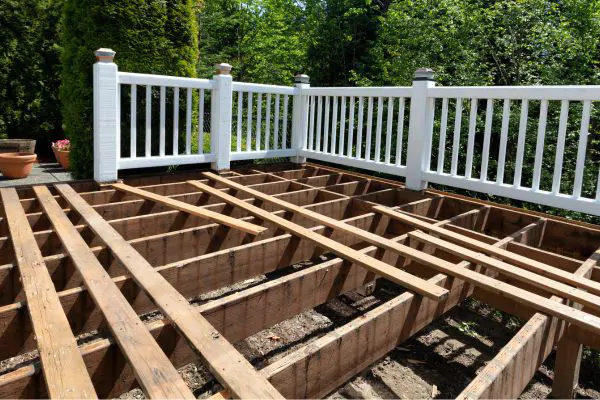
Before the tech gadgets and automation systems come in, the foundation of a smart home needs to be just as intelligent. That includes drainage planning, soil analysis, and long-term structural health. In 2025, forward-thinking builders are partnering with site engineers and companies like Lowcountry Dewatering to integrate water management and environmental systems early in the construction process.
Why it matters:
- A smart home isn’t smart if it’s built on unstable or wet soil.
- Flood risks, mold, and foundation cracks disrupt smart systems and raise insurance costs.
- Embedding smart moisture sensors in foundations and crawlspaces prevents water-related damage before it begins.
Smart infrastructure is foundational to any intelligent home—and it starts with how the ground is prepared.
AI-Driven Design and Planning
Artificial Intelligence is revolutionizing how homes are designed. With tools that can instantly analyze thousands of design variables, builders and architects can optimize floor plans, energy usage, and construction sequences more efficiently than ever before.
Key advancements:
- AI-based energy modeling for HVAC, insulation, and natural light
- Predictive cost estimation based on location and materials
- Smart zoning layouts based on family behavior patterns
As AI integrates with Building Information Modeling (BIM) software, construction teams can reduce waste, avoid delays, and plan for things like site water control with greater precision.
IoT Integration in Core Systems
Smart homes in 2025 are built with the Internet of Things (IoT) in mind—not just retrofitted after construction. Electrical systems, plumbing, HVAC, and even water heaters are designed with remote sensors, monitoring, and automation capabilities from the start.
What’s being connected:
- Smart electrical panels and energy usage tracking
- Leak-detection sensors in bathrooms and basements
- HVAC systems that auto-adjust based on occupancy or air quality
- Irrigation systems tied to weather forecasts
These systems can reduce energy bills, detect damage early, and integrate with your phone or smart hub for seamless control. But for any of it to function properly, your site needs to be dry, stable, and protected from water intrusion—again, where companies like Lowcountry Dewatering come in.
Robotics and Automation in Construction
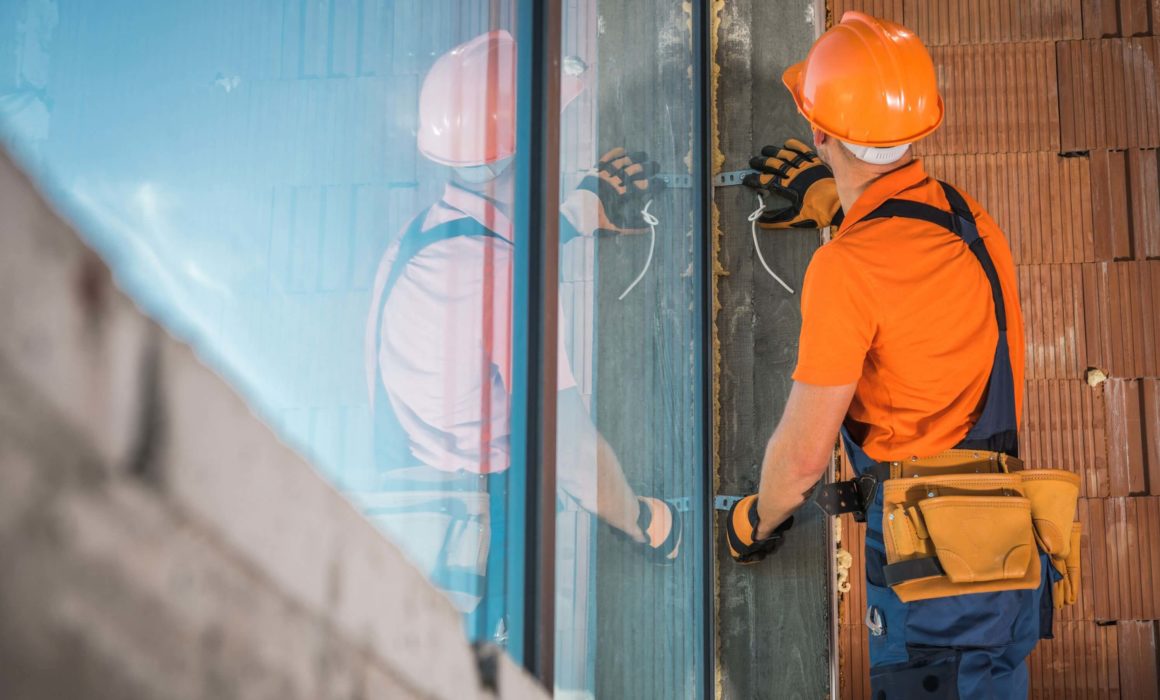
Labor shortages and rising costs are pushing contractors toward robotics and automated construction.
In 2025, you’ll see:
- Brick-laying and framing robots
- Automated drywall installers
- 3D printing of entire wall systems
These innovations don’t just speed up the build—they increase precision, reducing human error and material waste. More consistent installations also help smart systems (like thermostats, outlets, or sensors) function more efficiently and accurately.
Sustainable Smart Materials
Green construction meets smart home design in 2025 through eco-friendly building materials that integrate with smart technologies.
Examples include:
- Solar roof shingles that power smart systems
- Smart glass that tints automatically based on sunlight
- Concrete with embedded temperature and humidity sensors
These materials lower energy consumption while providing real-time data for homeowners. Some even alert contractors when moisture or structural issues are detected—further supporting the case for foundation water control before the build begins.
What Does a Dewatering Contractor Do?
Many homeowners and developers focus on gadgets when planning smart homes—but none of those systems matter if water is flooding your foundation.
So, what does a dewatering contractor do?
A dewatering contractor specializes in removing groundwater or surface water from a construction site so it can be safely excavated, graded, and built upon. Techniques may include:
- Wellpoint systems
- Sump pumps
- Trench drains
- Deep well dewatering
Without dewatering, your home is vulnerable to foundation failure, mold, and system malfunctions. Companies like Lowcountry Dewatering work on both residential and commercial sites—especially in areas with high water tables like the Southeast. Their role is crucial in protecting your smart investment by ensuring a dry, stable base for all the technology layered on top.
Resilient Water Management Systems
Smart homes in 2025 aren’t just about saving energy—they’re about resilience. That means planning for environmental threats, including stormwater, flooding, and rising water tables.
Key trends:
- Integration of smart sump pumps with mobile alerts
- Use of permanent dewatering systems to redirect water away from foundations
- Stormwater sensors that trigger automated drainage or alert contractors
These systems are especially important in climate-sensitive regions. Working with experts like Lowcountry Dewatering ensures that smart water management is factored into your home’s DNA—not added as an afterthought.
Conclusion:
The future of smart homes is here—and it’s built on a foundation of planning, innovation, and site readiness. In 2025, smart homes go beyond app-connected devices and enter the realm of intelligent construction—where every layer of the building is integrated, optimized, and resilient. From AI-powered design tools and IoT-enabled systems to green materials and construction robotics, the trends shaping the industry are making homes safer, smarter, and more sustainable.
But don’t forget—the smartest home starts underground. Without a dry, stable foundation, none of your smart systems will function as intended. That’s why services from professionals like Lowcountry Dewatering are essential for laying the groundwork—literally—for the next generation of intelligent living.
So, if you’re thinking about building a smart home, make sure your first call isn’t just to an architect or contractor. Search for a dewatering contractor near you, and ensure your home’s future is as dry and durable as it is digital.