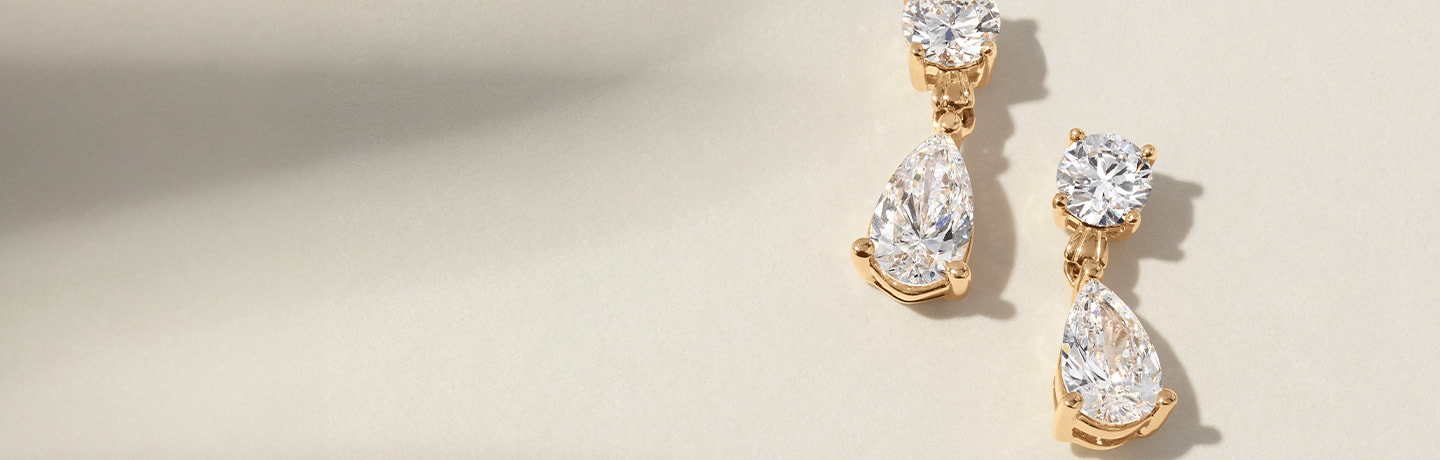
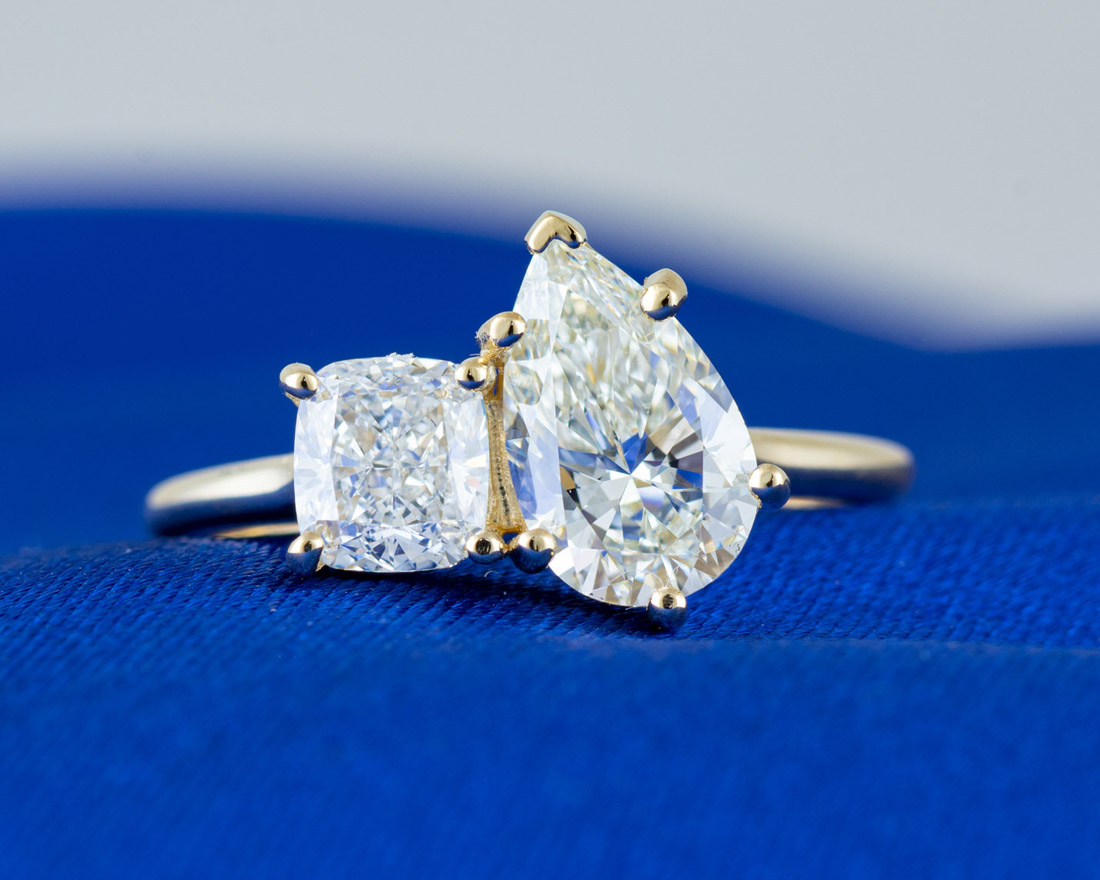
The world of fine jewelry is constantly evolving, blending timeless designs with innovative materials. One classic design that has captured hearts for centuries is the Toi et Moi ring. Literally meaning “You and Me” in French, the Toi et Moi style features two stones set side by side, symbolizing the union of two souls. In recent years, this romantic and elegant design has found a new partner in the form of man-made diamonds, also known as lab-created or synthetic diamonds. This article explores the beauty and significance of Toi et Moi rings, the growing popularity of man-made diamonds, and why their combination is a compelling choice for modern couples.
The Timeless Charm of Toi et Moi Rings
The Toi et Moi ring dates back to at least the 18th century and has been cherished by royalty and lovers alike. Unlike traditional solitaire rings, the two-stone setting represents duality and partnership. Each stone stands for one person in the relationship, united in a shared bond. The design allows for creativity; stones can be the same or different, mixing colors, shapes, or types.
One of the most famous historical Toi et Moi rings belonged to Napoleon Bonaparte, who gifted one to Josephine, featuring a diamond and a sapphire. This iconic pairing demonstrates how Toi et Moi rings can be both deeply personal and visually striking.
Today, the design continues to symbolize love, commitment, and individuality. Many couples choose Toi et Moi rings for engagements or anniversaries because they offer a unique alternative to the classic solitaire. The style encourages customization, making each piece a truly personal expression of affection.
Understanding Man Made Diamonds
Man made diamonds have revolutionized the jewelry industry. Created in laboratories using advanced technology, these diamonds are chemically, physically, and optically identical to mined diamonds. There are two primary methods for producing lab-grown diamonds: High Pressure High Temperature (HPHT) and Chemical Vapor Deposition (CVD).
Both processes replicate the natural conditions under which diamonds form deep inside the earth but do so in a controlled, environmentally friendly setting. The result is a diamond that boasts the same hardness, sparkle, and durability as a natural stone.
Advantages of Man Made Diamonds
There are several reasons why man Made diamonds are increasingly popular among consumers:
-
Ethical sourcing: Lab-created diamonds eliminate many ethical concerns related to mining, including environmental degradation and conflict funding.
-
Affordability: These diamonds often cost 30% to 50% less than natural diamonds, allowing buyers to get larger or higher-quality stones within the same budget.
-
Quality control: Because they are made in controlled environments, lab diamonds tend to have fewer impurities and inclusions.
-
Sustainability: The reduced environmental impact makes lab-grown diamonds a more sustainable choice for eco-conscious buyers.
Why Combine Toi et Moi with Man Made Diamonds?
The Toi et Moi ring’s emphasis on duality and partnership aligns beautifully with the modern values that lab-grown diamonds represent. Here’s why the combination works perfectly:
-
Symbolic Depth: The two stones of a Toi et Moi ring represent two individuals united. Choosing man made diamonds adds a layer of meaning by reflecting shared values about ethical consumption and sustainability.
-
Customization Opportunities: Man made diamonds come in various colors, including classic white, fancy yellow, pink, and even blue. This variety allows couples to create truly unique Toi et Moi rings, mixing different colors or shapes that reflect their personalities.
-
Budget Flexibility: Because lab diamonds are more affordable, couples can select larger or higher-grade stones for their Toi et Moi rings without compromising on quality or breaking the bank.
-
Modern Appeal: The fusion of a classic design with cutting-edge diamond technology bridges tradition and innovation, appealing to both romantics and modernists.
Styling Ideas for Toi et Moi Rings with Man-Made Diamonds
The Toi et Moi design encourages personal expression, and lab-grown diamonds make it easier than ever to experiment with styles. Some popular options include:
- Classic white diamonds: Two sparkling white man-made diamonds set side by side make for an elegant, timeless ring.
- Mixed colors: Pair a white diamond with a pink or yellow lab-grown diamond to create a striking, colorful contrast.
- Different shapes: Combine a round brilliant cut with a pear or marquise cut diamond to add visual interest.
- Gemstone pairings: Some couples opt to combine a man-made diamond with another precious stone, such as a sapphire or emerald, within the Toi et Moi setting.
Caring for Your Toi et Moi Man-Made Diamond Ring
Man-made diamonds have the same physical properties as natural diamonds, meaning they are equally durable and suitable for everyday wear. Care is simple:
- Clean the ring regularly with mild soap and water or a jewelry cleaner designed for diamonds.
- Avoid harsh chemicals that could damage the metal setting.
- Have your ring inspected annually by a jeweler to ensure the stones remain secure.
The Future of Jewelry: Tradition Meets Innovation
The rising popularity of Toi et Moi rings combined with man-made diamonds signals a broader shift in the jewelry world. Consumers seek pieces that are meaningful, beautiful, and aligned with their values. The timeless romance of the Toi et Moi design, paired with the ethical and environmental benefits of lab-grown diamonds, offers an ideal solution.
Whether as an engagement ring, anniversary gift, or a special token of love, Toi et Moi rings with man-made diamonds are a compelling choice. They offer the perfect balance of classic elegance and modern consciousness — a celebration of two souls joined in love and a commitment to a brighter, more sustainable future.